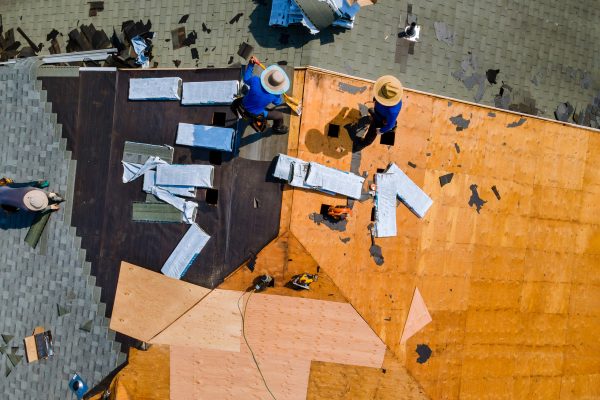
At Parsippany Roofing Experts, we help homeowners protect their roofs with expert maintenance strategies built on over 15 years of experience.
Why Shingle Roof Maintenance Matters
Routine maintenance helps:
✔ Prevent leaks and water damage
✔ Avoid early roof replacement
✔ Improve energy efficiency
✔ Protect home structure
✔ Save money long-term
Well-maintained shingle roofs can last 20–30 years or longer.
Regular Roof Cleaning Tips
Keeping your roof clean prevents moisture buildup and material deterioration.
Best practices include:
* Remove leaves, branches, and debris
* Clean moss and algae growth carefully
* Keep gutters clear for proper drainage
* Avoid pressure washing (can damage shingles)
Professional cleaning is recommended once or twice a year.
Signs Your Shingles Need Attention
Watch for these common warning signs:
* Cracked or curled shingles
* Missing shingles after storms
* Granules collecting in gutters
* Dark stains or mold spots
* Interior ceiling water stains
Addressing small issues early prevents major damage.
Protecting Your Roof From NJ Weather
New Jersey roofs face:
* Heavy rain and wind
* Snow and ice buildup
* Summer heat
* Seasonal storms
Maintenance tips:
✔ Schedule inspections after storms
✔ Check flashing and seals
✔ Ensure proper attic ventilation
✔ Repair damage immediately
Recommended Maintenance ScheduleTwice a Year:
* Full roof inspection
* Gutter cleaning
* Debris removal
After Major Storms:
* Visual damage check
* Leak inspection
When to Call a Professional Roofer
Call roofing experts if you notice:
✔ Persistent leaks
✔ Large damaged areas
✔ Sagging roof sections
✔ Shingles lifting or blowing off
Professional inspections can catch problems homeowners often miss.
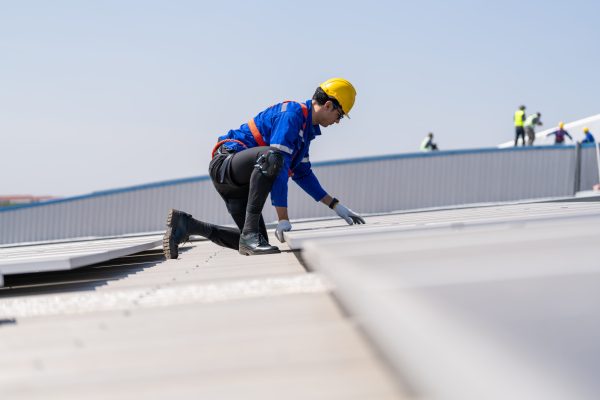
At Parsippany Roofing Experts, we help protect properties before storms hit and restore roofs quickly after damage occurs.
Common Types of Storm Roof Damage
Storms can impact roofing systems in several ways, including:
* Missing or lifted shingles
* Roof leaks and water intrusion
* Damaged flashing and seals
* Punctures from fallen branches
* Pooling water on flat roofs
* Ice dam damage during winter
Early detection prevents long-term structural problems.
How to Protect Your Roof Before a Storm
Proactive maintenance is the best defense.
✔ Schedule regular roof inspections
✔ Replace damaged shingles promptly
✔ Secure flashing and vents
✔ Keep gutters clean and draining properly
✔ Trim overhanging tree branches
✔ Ensure attic ventilation is adequate
These steps significantly reduce storm-related damage.
What to Do Immediately After a Storm
After severe weather passes:
Perform a visual inspection from the ground
Look for missing shingles, debris, or sagging areas
Check inside for water stains or leaks
Take photos of visible damage (for insurance)
Contact a professional roofer for inspection
Never climb onto a damaged roof — it can be dangerous.
Handling Insurance Claims After Storm Damage
Professional roofing contractors can help with:
* Damage documentation
* Repair estimates
* Insurance claim support
* Temporary protective repairs
This helps speed up the recovery process.
Storm Damage Roof Repair & Restoration
Professional repair may include:
* Shingle replacement
* Leak sealing
* Flashing repair
* Flat roof restoration
* Structural reinforcement
Quick repairs prevent mold growth and interior damage.
Long-Term Storm-Resistant Roofing Solutions
Upgrading your roof can improve storm protection:
✔ Impact-resistant shingles
✔ Stronger underlayment systems
✔ Improved drainage
✔ Wind-rated materials
✔ Waterproof membranes for flat roofs
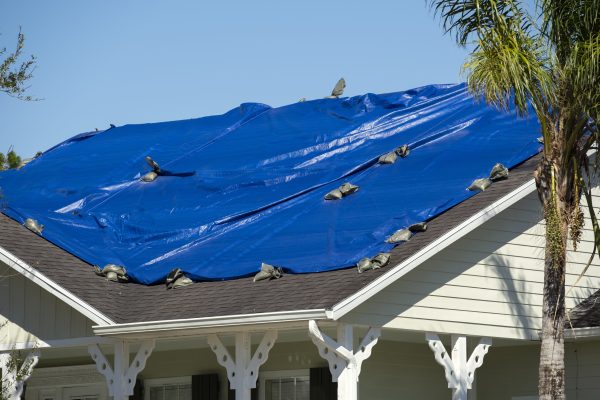
At Parsippany Roofing Experts, we specialize in high-quality residential and commercial roofing services designed to deliver durability, safety, and long-term value.
Residential Roofing: Protecting Your Home Investment
Residential roofing systems are designed to provide comfort, visual appeal, and strong weather protection. Asphalt shingle roofs remain the most popular option for homeowners because of their affordability, durability, and versatility.
Key benefits of residential roofing include:
✔ Reliable protection from rain, wind, snow, and storms
✔ Increased home value and curb appeal
✔ Improved insulation and energy efficiency
✔ Long-lasting performance with proper care
Common residential roofing services:
* New roof installation and replacement
* Shingle repair and maintenance
* Leak detection and waterproof sealing
* Skylight integration
* Gutter system coordination
A properly installed residential roof keeps your home safe and comfortable year-round.
Commercial Roofing: Built for Strength and Longevity
Commercial roofing systems are engineered to cover large surface areas and withstand heavy weather exposure. These roofs require specialized materials and expert installation to ensure long-term durability.
Popular commercial roofing options include:
* TPO roofing for energy efficiency
* EPDM rubber roofing for waterproof protection
* PVC roofing for chemical and fire resistance
* Metal roofing for maximum durability
Advantages of commercial roofing systems:
✔ Superior leak protection
✔ Reduced maintenance costs
✔ Energy-saving performance
✔ Long service life
✔ Resistance to harsh weather conditions
Commercial roofs play a critical role in protecting inventory, employees, and building structure.
Professional Installation Makes the Difference
Both residential and commercial roofing require expert craftsmanship to ensure:
✔ Proper sealing and waterproofing
✔ Structural safety and code compliance
✔ Maximum lifespan of roofing materials
✔ Long-term cost savings
Poor installation often leads to leaks, premature roof failure, and expensive repairs.
Roofing Designed for New Jersey Weather
New Jersey roofs must handle:
* Heavy rain and storms
* Snow and ice buildup
* Strong winds
* Extreme temperature changes
High-quality materials combined with professional installation allow roofs to perform reliably in every season.